Is football freestyle hard to learn?
It is not hard to start, but becoming confident takes practice, dedication and patience. You can begin with a single controlled touch, build up your keepy-ups and gradually learn your first tricks. The difficult part is often staying motivated when a move does not work straight away.
The best approach is to start small, understand what you are trying to do and keep coming back to it. You do not have to copy someone else’s progress or master the most difficult trick you have seen online. Your first goal is simply to become more comfortable with the ball.
What is football freestyle?
Football freestyle is the creative side of ball control. It combines juggling, balances, tricks and movements using different parts of the body. You can practise for enjoyment, develop a personal routine or eventually explore performances and competitions. Our guide to what football freestyle is explains the wider sport in more detail.
Unlike a regular football match, you do not need a team, an opponent or a goal to get started. The challenge is learning how your body and the ball work together, then choosing what you want to create with those skills.
How to start football freestyle from scratch
Start with a football you can control comfortably, supportive footwear and a clear, level space. You do not need an expensive specialist ball to learn the basics. Give yourself enough room to move without bumping into people or nearby objects.
Build general ball control first
Before chasing tricks, get used to the weight of the ball and how it responds to your touch. Roll it gently under the sole of each foot, move it between your feet and practise stopping it where you want it. The aim is to feel in control rather than constantly chasing it.
Learn keepy-ups one touch at a time
Keepy-ups, also called kick-ups or juggling, are a useful foundation for lower body freestyle. If you cannot keep the ball in the air yet, that is your starting point, not a reason to stop.
- Hold the ball, drop it gently, tap it upwards with one foot and catch it.
- Repeat with the other foot. Look for a controlled touch that sends the ball back towards your hands.
- Try two touches before catching, then three. Allowing a bounce between touches can make the early stages more manageable.
- Gradually alternate feet and link touches without catching. Focus on keeping the ball close rather than kicking it as high as possible.
- Practise a simple foot stall by placing the ball on your foot and finding a steady balance.
A controlled set of five keepy-ups is a better learning target than twenty rushed touches that send you running across the garden. There is no compulsory score you must reach before trying a trick. Keep improving your basic control alongside the moves that interest you.
Three basic football freestyle tricks to work towards
Around the World, Crossover and Hop the World are useful early lower body tricks. They are often called basic tricks because they form foundations for other moves. That does not mean you should expect to land them immediately.
1. Around the World
Around the World, or ATW, involves lifting the ball with one foot, circling that same foot completely around it and returning underneath for the next touch. You can learn inward and outward variations.
Break it into the lift, the circle and the recovery. Watch where the ball travels: if the first touch sends it away from you, making your leg move faster will not solve the whole problem. Start with a controlled setup and work on bringing the foot back beneath the ball.
2. Crossover
In a Crossover, one leg passes over the ball while the other foot taps it upwards from underneath the crossing leg. The movement normally includes a small hop, so coordinating the legs is part of the challenge.
Understand which leg is crossing and which foot makes the touch before attempting the full move. Begin from a controlled ball height, practise the movement in manageable parts and reset your balance between attempts.
3. Hop the World
Hop the World, or HTW, starts with a touch from one foot. The opposite foot then circles the ball and comes underneath to make the next touch. The change of feet is a key difference from a standard Around the World.
Focus on the starting touch, the weight transfer and the circling foot. Once you understand the sequence, work towards a clean attempt followed by a normal keepy-up. Keeping control afterwards matters more than only getting your leg around the ball.
If you want to compare the movements, Beyond Football’s freestyle trick guide includes descriptions and video examples. A clear demonstration can help you understand the movement before practising it.
Explore three different styles of football freestyle
You do not have to concentrate only on standing tricks. Lower body, sit-down and upper body freestyle each offer a different way to work with the ball. Trying all three can help you discover what you enjoy.
Lower body freestyle
Often called lowers, this style focuses on foot and leg tricks performed mainly while standing. Around the World, Crossover and Hop the World sit within this area. As you improve, you can link moves into combinations and explore more complex leg movements.
The main challenges are touch, rhythm, timing and coordination. A clean first touch can make the rest of a combination much easier to control.
Sit-down freestyle
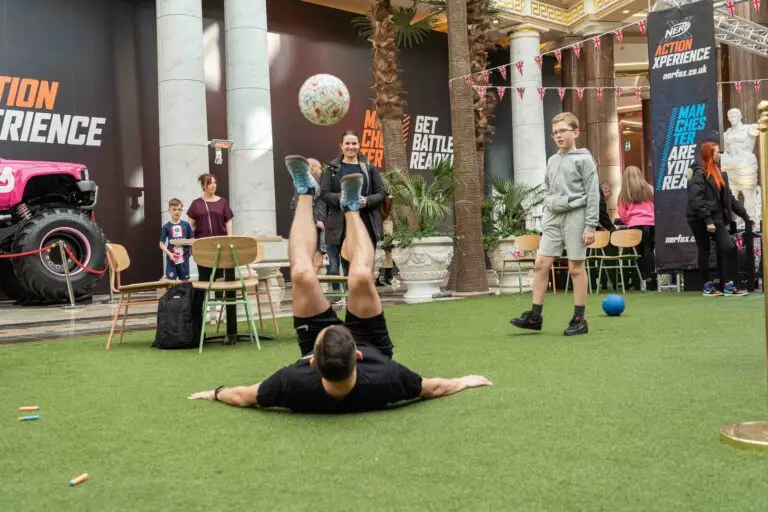
Sit-down freestyle involves controlling the ball while seated or close to the ground. You might begin with individual foot touches from a seated position, then build towards alternating touches, crossovers and combinations.
Because you cannot move around in the same way as when standing, body position and small adjustments become especially important. It can feel completely different from normal keepy-ups, so give yourself time to learn the new position.
Upper body freestyle
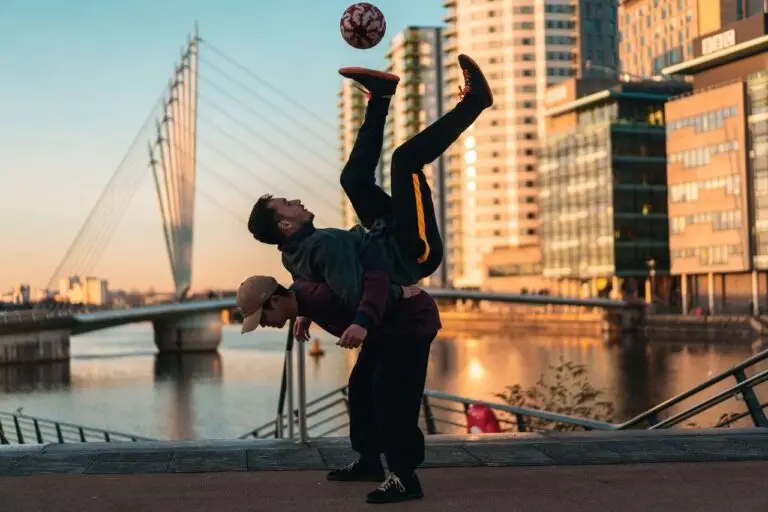
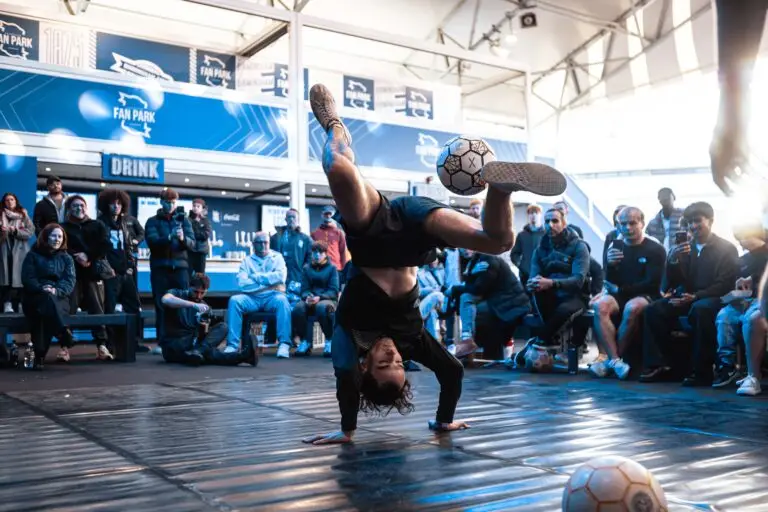
Upper body freestyle, often called uppers, uses areas such as the head, neck, shoulders and chest. Balances such as a neck stall or head stall are familiar examples, with more advanced freestylers linking balances, rolls and transitions.
Here the emphasis often shifts towards positioning, balance and controlled movement. You do not have to rush into complex transitions. Learning where a simple balance sits comfortably can be a useful starting point.
The mental side: dedication matters as much as the trick
Think of learning football freestyle as roughly 70% mental and 30% physical: a coaching perspective that puts the emphasis on patience, understanding and dedication. Physical coordination still matters, but being willing to repeat, observe and adjust is a huge part of the learning process.
Repeating a trick without thinking is different from practising with a purpose. Ask yourself what happened. Was the setup too high? Did the ball drift sideways? Did you start the circle too late? Pick one thing to change, then try again.
When a move feels impossible, simplify it. Return to the first touch, practise the movement without the ball or watch a demonstration slowly. A failed attempt can still teach you something useful. Giving yourself permission to make mistakes makes it easier to keep learning.
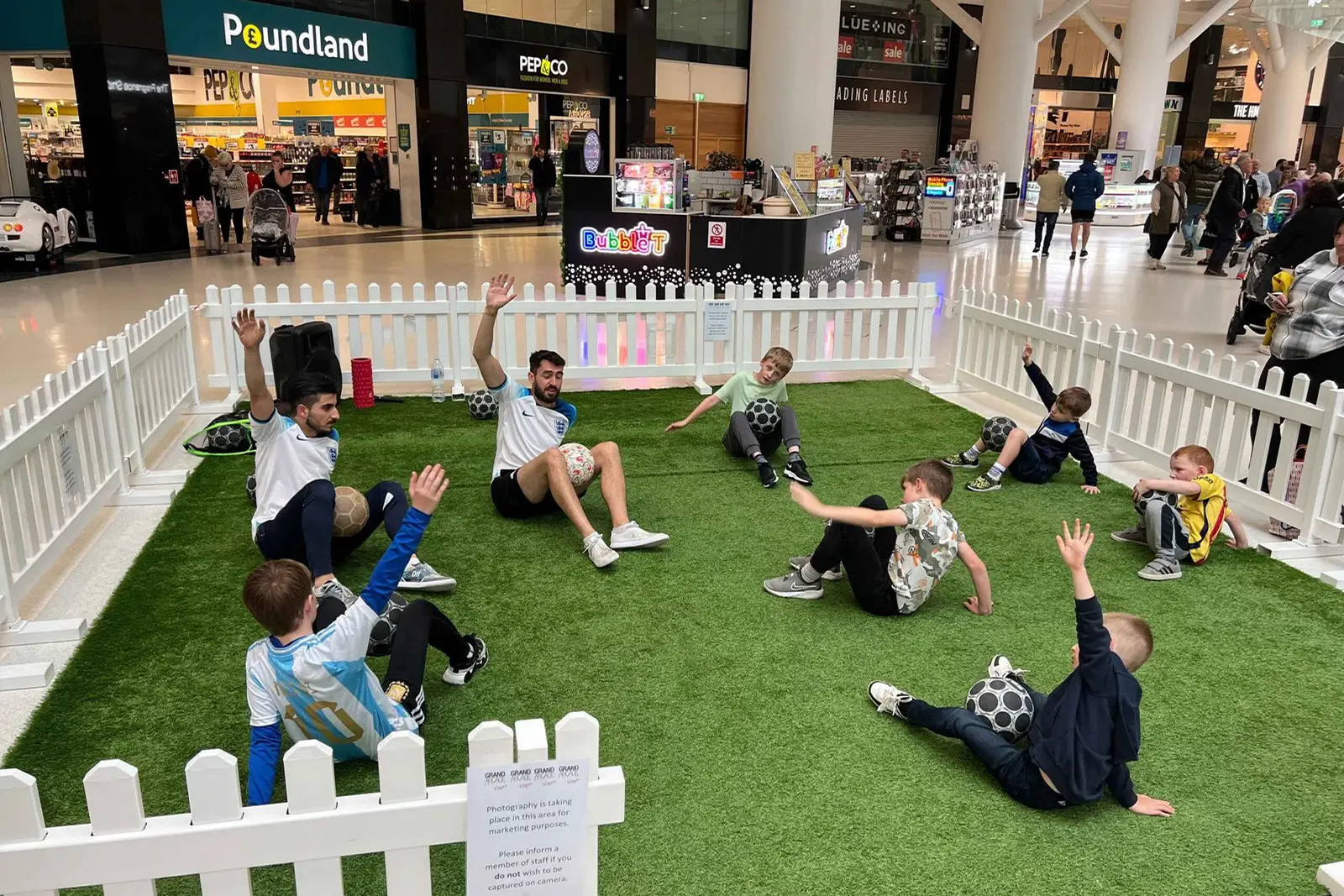
That sense of working through a challenge is also part of how freestyle workshops can help children build confidence. The achievement comes from their own effort, even when the skill looks small to someone else.
Practise consistently and measure your own progress
A little focused practice each day can help you build a routine, but consistency should be sustainable. You do not need to turn every session into a long, exhausting challenge. Take breaks and give yourself time to recover when you need it.
For a manageable session, work on your basic touches, choose one trick to study and finish with something you enjoy. Write down one improvement or record a short clip for yourself. You may notice that your touch is cleaner or your timing is closer, even before you land the move.
Aim to be a little better than you were yesterday, rather than better than somebody else. Some days will feel harder than others, so judge progress over time. Someone else’s polished video does not show every missed attempt that came before it.
Move towards harder tricks at your own pace
Once you can repeat a trick with control, try linking it to another. For example, land an Around the World and continue juggling before working towards a second trick. Build a reliable connection before making the combination more demanding.
More advanced or hardcore tricks can involve faster leg movements, extra revolutions and demanding transitions. They are a long-term option, not the entry requirement. Revisit the basics whenever a combination becomes messy.
Find your own freestyle
The word freestyle captures the freedom to develop your own approach. One person might love technical lower body combinations. Another might prefer sit-down skills, upper body balances or a flowing mix of all three.
You can choose the tricks you want to master and the way you want to connect them. You do not have to become a copy of your favourite performer to be a freestyler.
The simple answer is that football freestyle is not too hard to begin. It takes practice, dedication and patience, and staying committed to those things can be the hardest part. Start with the ball control you have today and build from there.
Frequently asked questions
Select a question below to read the answer.
Can I learn football freestyle if I cannot do keepy-ups?
Yes. Start by dropping the ball, making one controlled touch and catching it. Build towards linked touches gradually. You can also explore simple balances while developing your juggling.
How long does it take to learn football freestyle?
There is no fixed timetable. Your starting point, the trick you choose and the way you practise all affect progress. Set small goals, such as a cleaner touch or a more consistent attempt, rather than a deadline for mastering the sport.
What football freestyle tricks should beginners learn first?
Start with ball control, keepy-ups and a simple foot stall. Around the World, Crossover and Hop the World are useful lower body tricks to work towards as your control improves. You can also try introductory sit-down and upper body skills.
Do I need a special football to start freestyling?
No. A suitable ordinary football is enough to begin. Choose a size and weight you can handle comfortably. Specialist freestyle balls are an option later, rather than a requirement for your first practice session.
Should I practise football freestyle every day?
Short, focused practice can become a useful daily habit, provided you allow breaks and recovery when needed. A sustainable routine matters more than forcing a long session when you are tired or frustrated.
Which freestyle style is easiest to learn?
There is no single easiest style for everyone. You may enjoy lower body tricks, sit-down control or upper body balances. Try simple skills in each area and develop the movements that suit you.
Can I teach myself football freestyle?
Yes, you can begin with clear demonstrations and patient practice. Coaching can help you understand the movement, spot an issue with your technique and choose an achievable next step.
Learn football freestyle with a professional
Want guidance for yourself or your group? Our football freestyle workshops combine demonstrations with practical coaching, giving beginners the chance to try skills at a manageable pace.
Tell us your location, age range, group size and what you would like to learn. We can discuss a workshop or personalised session that suits your goals.
Enquire about learning football freestyle
Feedback from real bookings
Read Google reviews from customers who have booked Football Freestyle Hire.